
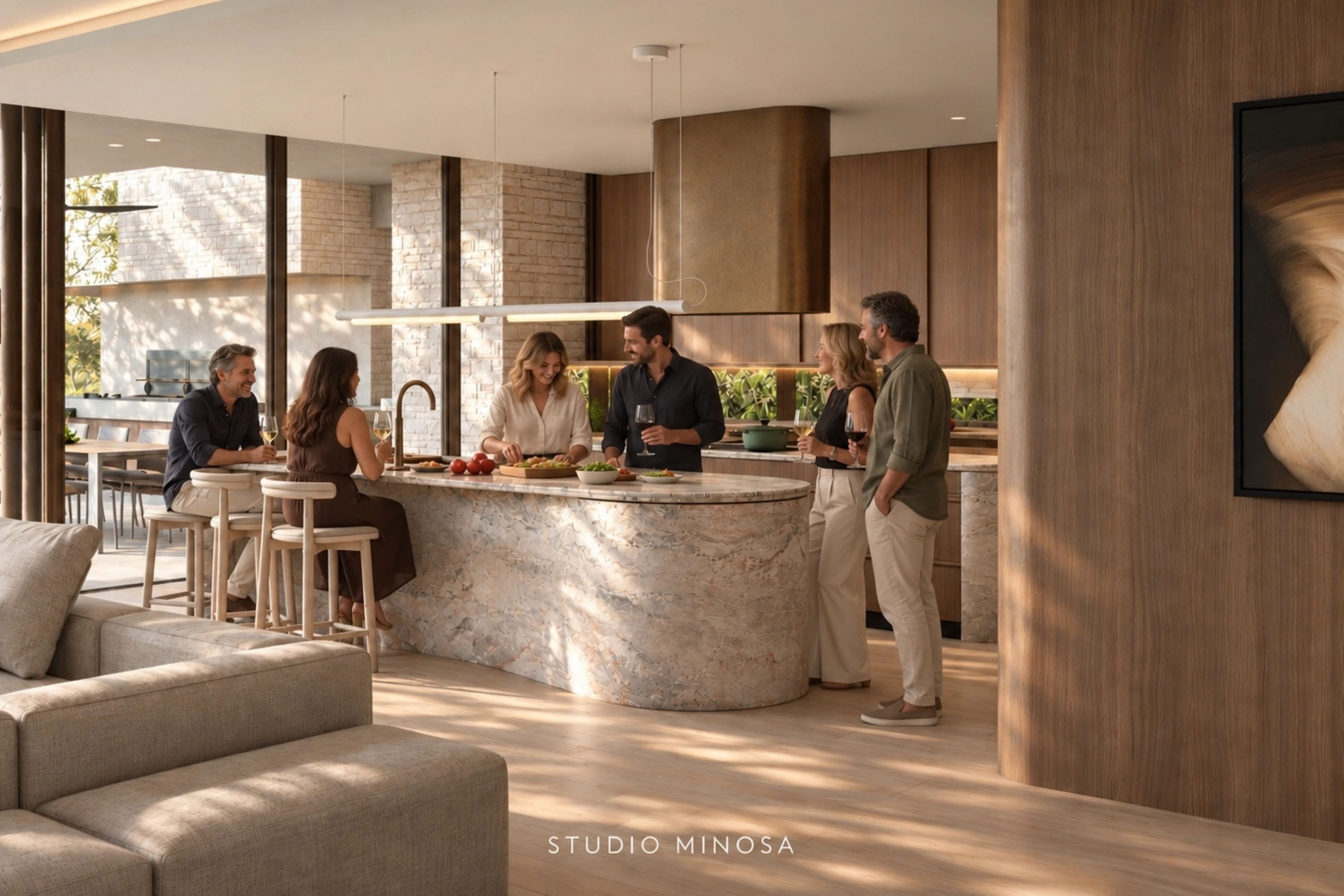

The New Material Luxury
October 30, 2026
Why the future of luxury is less about what we own and more about how we live.
For a long time, luxury in interiors was something you could identify almost immediately. The rare stone. The expensive timber. The oversized gesture. Materials were often asked to announce their value before they had a chance to prove it.
That definition is changing.
Luxury today feels quieter. Less concerned with displaying what something cost and more interested in how it feels to live with. It is found in tactility, longevity, performance and the sense that every material has been chosen with purpose.
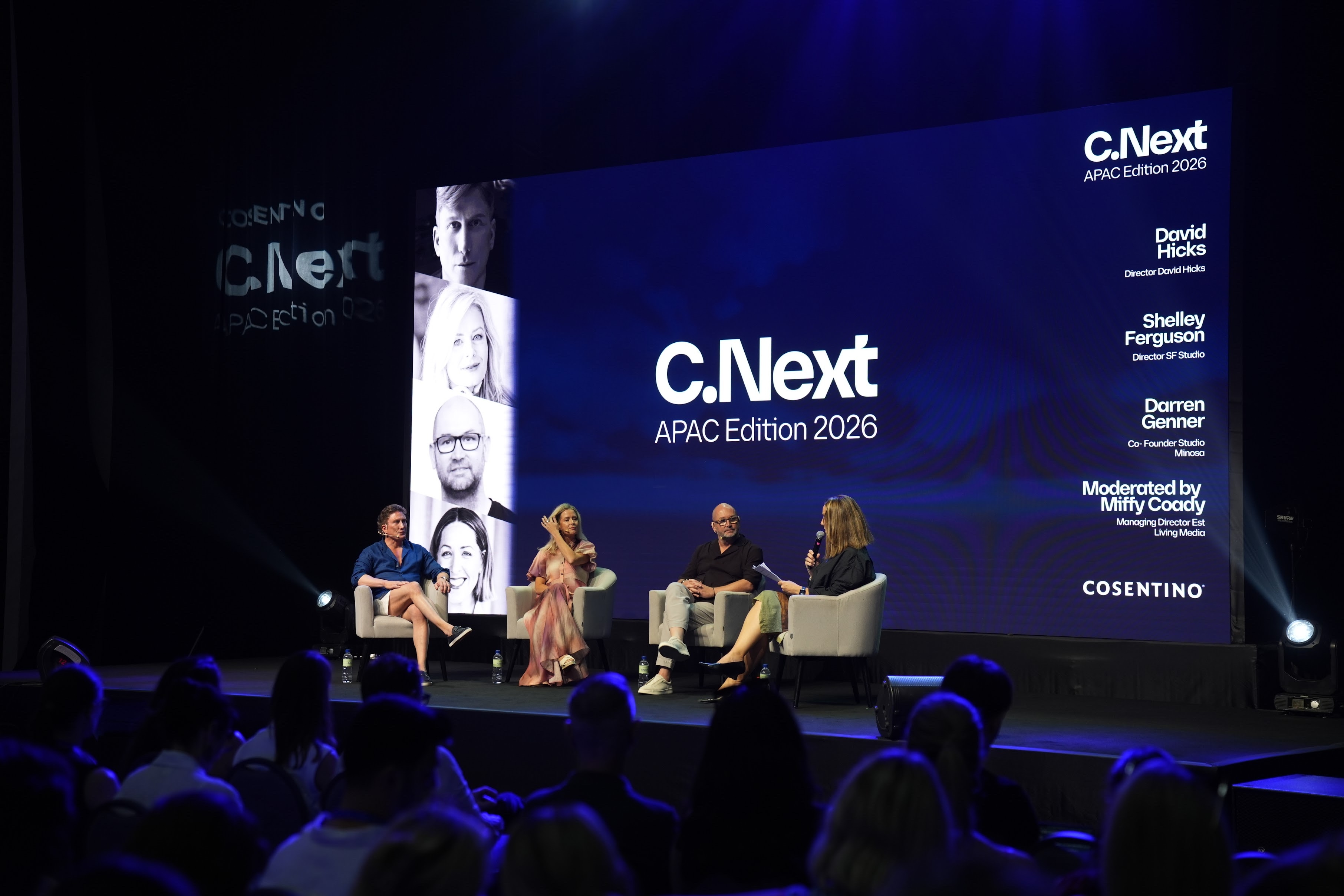
It was a conversation we recently had the privilege of exploring at C.Next in Bali, where Darren joined David Hicks and Shelley Ferguson on stage for a discussion moderated by Miffy Coady of est living. Under the theme The New Material Luxury, we explored not simply what the next generation of materials might look like, but what we should expect from them and how our relationship with luxury is evolving.
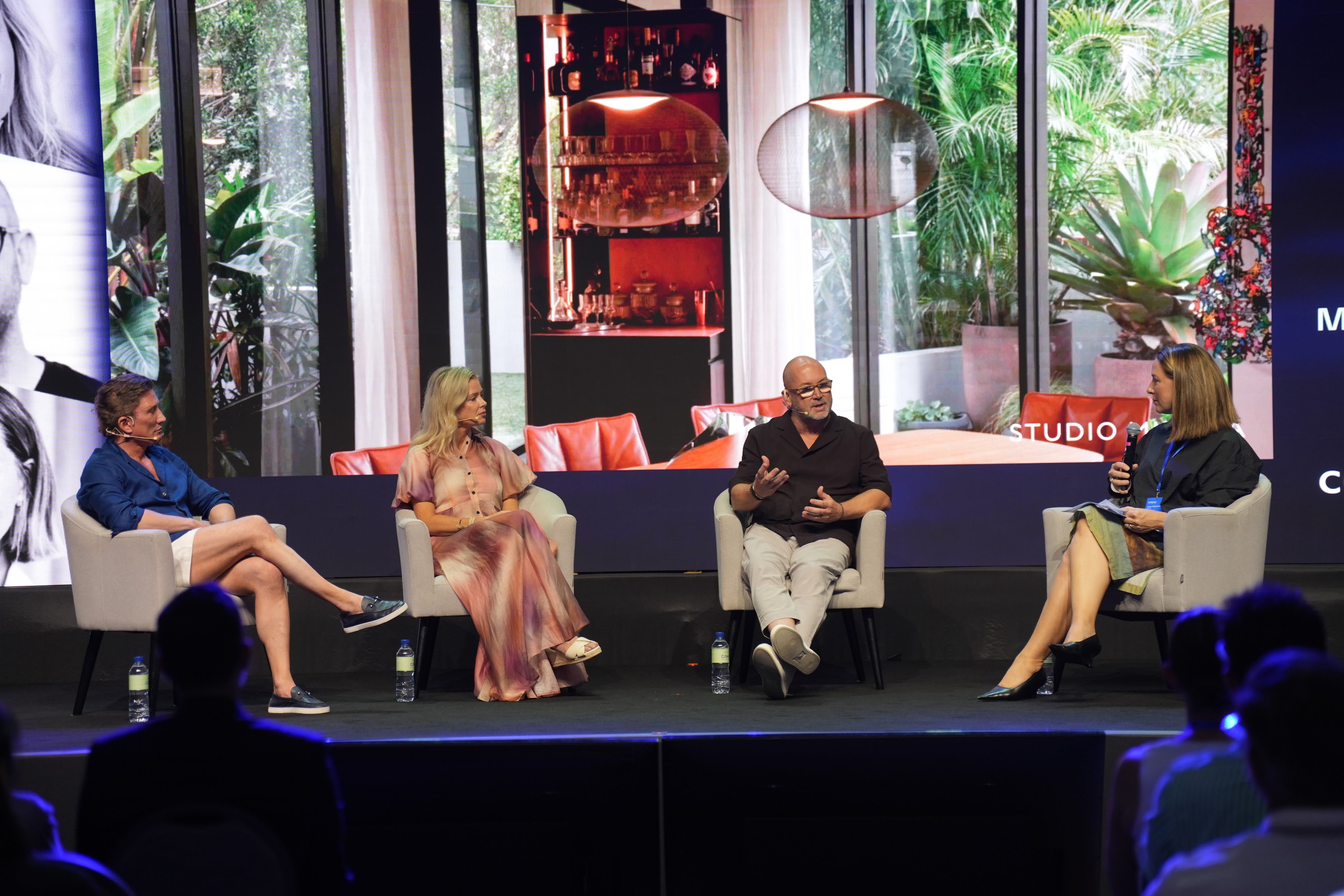
One idea stayed with us throughout the discussion: luxury has always been about intention. What has changed is where that intention is directed. Once it was about making a statement, about being seen and demonstrating what we could afford. Increasingly, it is about creating environments that understand us, respond to our needs and make everyday life better.
Because beauty alone is no longer enough.
A material has to survive real life. Sunlight, water, heat, children, entertaining, cleaning and the repeated rituals of a home all leave their mark. Pizza dough is kneaded across a kitchen island, a hot pot is placed on a benchtop, a glass of red wine is knocked over during dinner. These aren’t accidents to design around. They are the very things a home should be designed to accommodate.
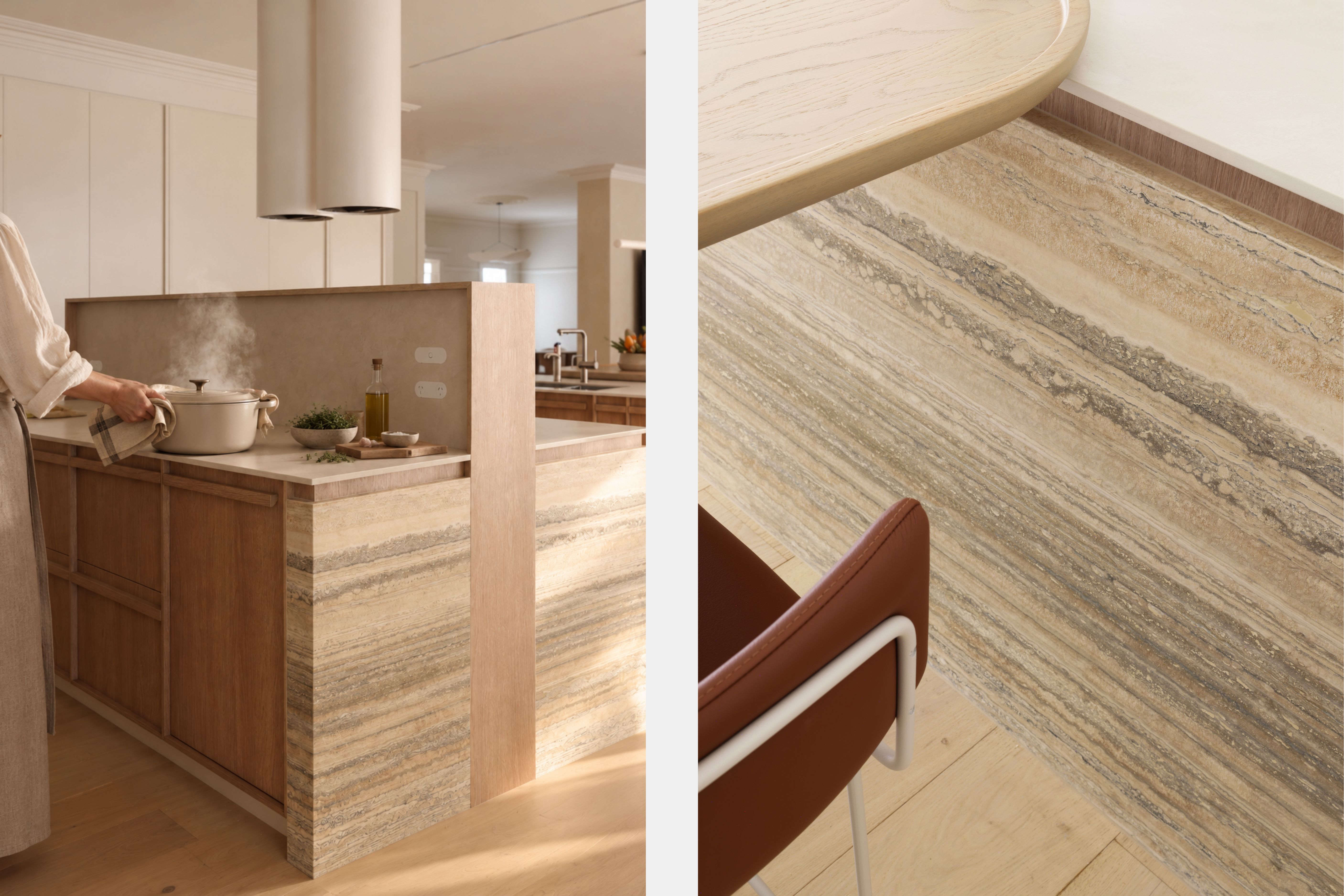
For us, this has made specification increasingly about judgement rather than selection.
There is a particular luxury in a surface that can age rather than deteriorate. In joinery that still operates beautifully years later. In stone, metal or timber chosen because its character will deepen with use rather than simply because it photographs well on the day the project is completed.
Perhaps longevity is becoming one of the clearest expressions of sustainability too. Not necessarily through doing less, but through choosing things well enough that there is no desire or need to replace them.
There is also a growing confidence in restraint.
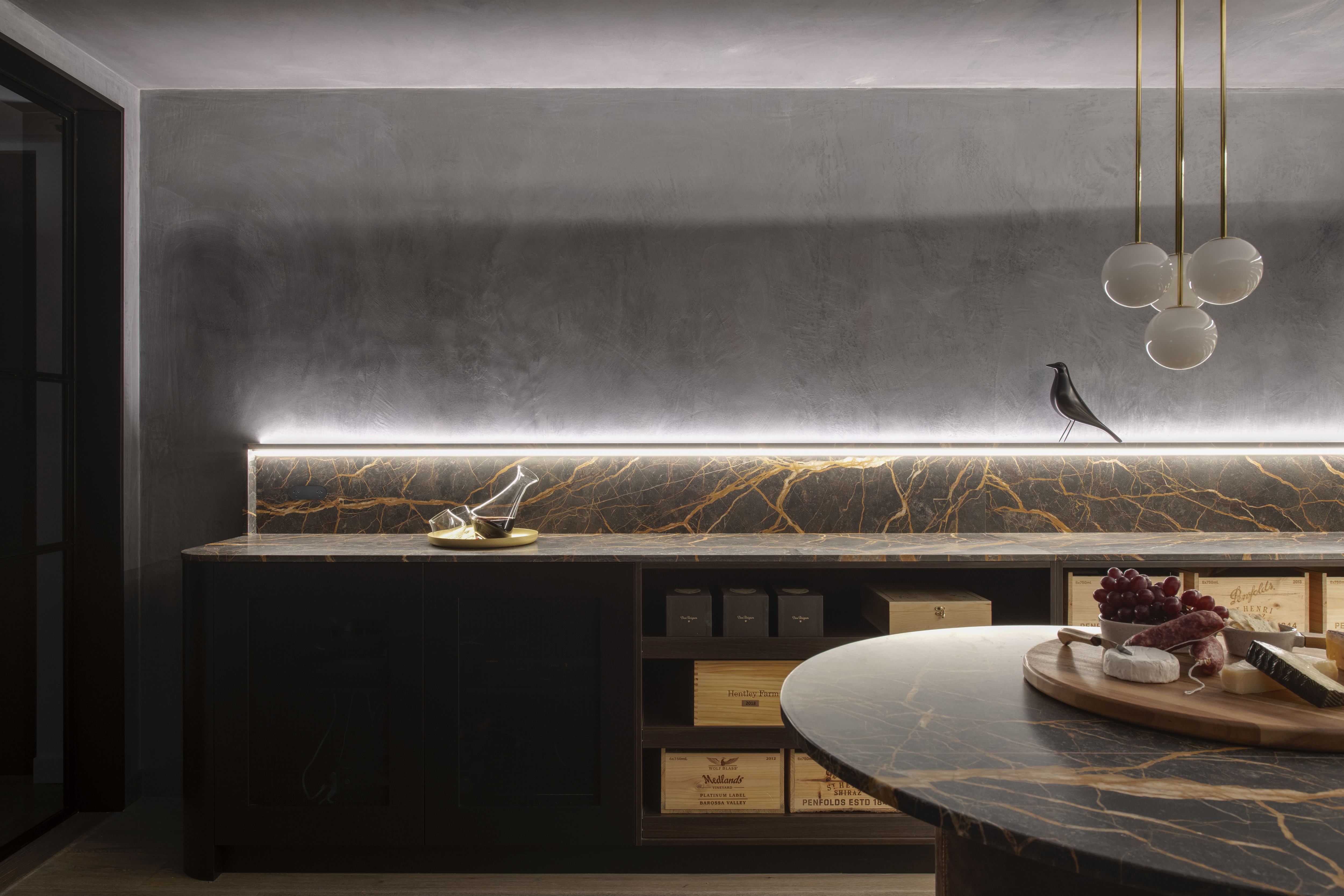
The most resolved interiors are not always the ones with the greatest number of materials. Often the opposite is true. A smaller palette, handled with precision, allows texture, proportion, light and detail to become more important. Luxury begins to sit in the junction between two materials, the way a handle feels in the hand, or the decision to continue one surface rather than introduce another.
Technology is rapidly changing this conversation. We can visualise materials faster, explore alternatives instantly and use AI to generate an almost endless stream of possibilities. Yet as the tools available to designers become increasingly sophisticated, the importance of knowing what to do with them becomes even greater.
More possibility does not necessarily create better design.
The value remains in knowing what to choose, what to remove and what is appropriate for the person who will ultimately live there. Technology can expand the field enormously. Judgement is what gives it direction.
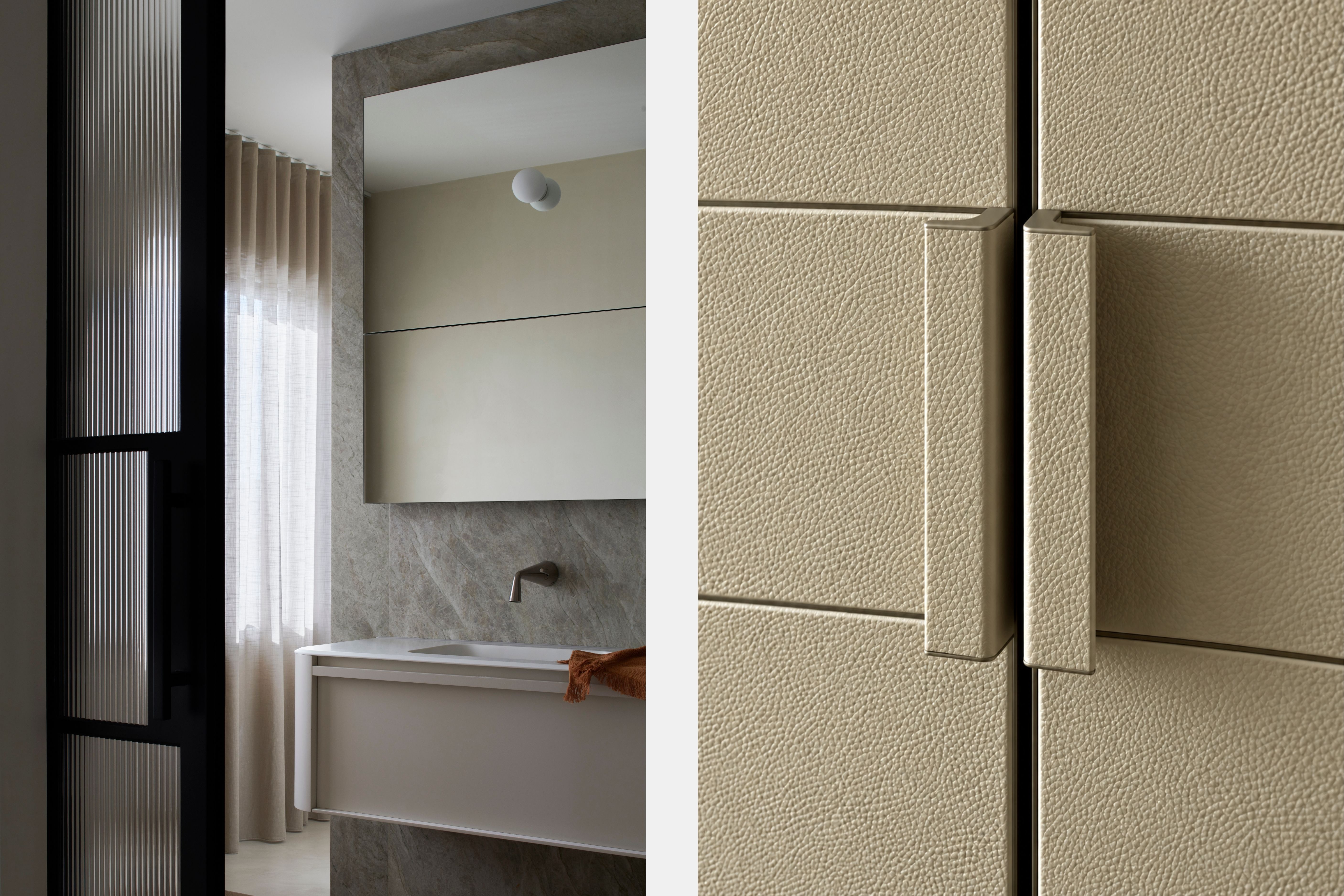
Our time in Bali reinforced something that has become increasingly important to us over 25 years of designing homes. The most meaningful luxury is rarely found in a single material or an extraordinary object. It comes from the way everything works together, often so naturally that the effort behind it becomes almost invisible.
That is perhaps where the new material luxury sits.
Not in rarity for its own sake, or materials selected simply to be noticed, but in things that feel right, perform properly and belong to the architecture and the people occupying it.
A home where the materials are beautiful, certainly, but also considered, durable and deeply connected to how the space will actually be used.
Everything is there for a reason.
And nothing is asking to be noticed too loudly.
Design Life Better
Do you have an exciting new project? Click below to learn more!
Stalk us


